
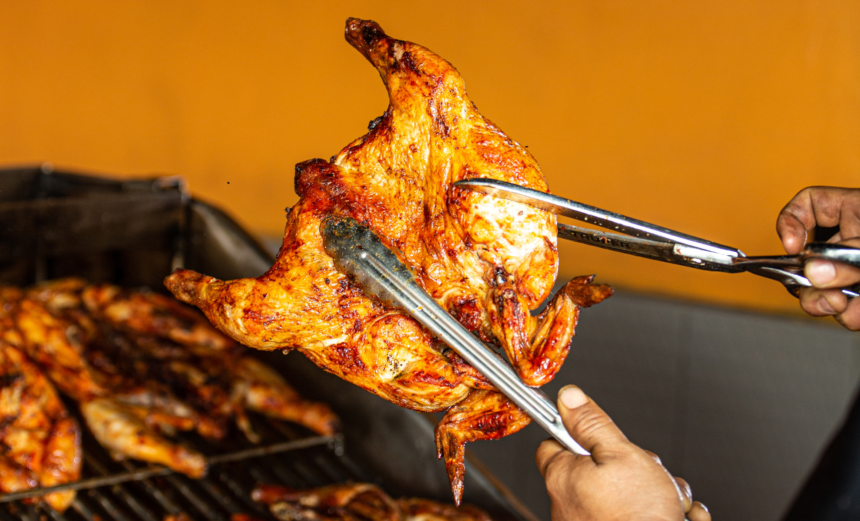
Chicken is taking a larger role across Australian QSR menus as operators balance high meat costs with customers who are visiting less often and looking harder at value.
Strong overseas demand is keeping Australian beef and lamb prices elevated, putting additional pressure on local foodservice margins. Chicken offers operators a comparatively flexible protein with predictable portions, cooking times and quality. It can also move across lunch, dinner, snacks and family meals without requiring an entirely different production system for each occasion.
The shift is visible in store growth. GapMaps data shows Australia’s fast-food sector added 250 net stores in 2025, its strongest expansion in a decade. Chicken-focused brands including Oporto, El Jannah, KFC and Nando’s were among the businesses increasing their footprints.
Cost is only part of the explanation. Research consultant Sam Stalley say’s the protein’s value comes from its ability to stretch across more of the week. For multi-site operators, that versatility can support simpler purchasing, staff training and execution while still allowing flavour variation through marinades, coatings, sauces and formats.
Those operational benefits are becoming more important as other expenses rise. The same reporting points to higher wages, energy and transport costs, while Fonto data found the average Australian QSR customer made 2.5 fewer visits than a year earlier. Brands are responding with a mix of entry-price bundles, tighter cost control and technology intended to improve kitchen flow.
There is also a menu-development opportunity. Established fried and grilled formats remain important, but Korean and Middle Eastern flavours are expected to gain wider appeal. Chicken gives operators a familiar base for those profiles, reducing the perceived risk of introducing a less familiar sauce, spice mix or service style.
However, adding chicken is not a complete margin strategy. Yield, oil usage, cooking loss, holding time and labour still need to be measured. A cheaper purchase price can be cancelled out by poor portion control or waste. Operators should also avoid allowing every offer to collapse into the same fried format.
The current shift shows why the most useful ingredients are often those that solve several problems at once. Chicken can support value, consistency and menu flexibility, but the advantage will belong to operators that turn those attributes into a distinctive offer.