

From chilli honey and gochujang glazes to mango-habanero dressings, the sweet and spicy flavour combination is giving chefs an approachable way to bring more impact to familiar dishes.
“Swicy” may be a relatively new name, but the flavour combination behind it has been part of global cooking for generations. Sweet chilli sauce, chamoy, gochujang and chilli-spiked chutneys all use sweetness to soften heat while allowing the chilli’s character to come through.
What has changed is its menu presence. Sweet heat has moved beyond specialist cuisines and into burgers, pizza, fried chicken, breakfast dishes, desserts and drinks. According to Datassential, hot honey now appears on 11.3% of US restaurant menus after growing by nearly 230% over four years.
For foodservice operators, its appeal lies in more than novelty. Sweet heat is adaptable, easy for diners to understand and capable of giving established menu items a fresh point of difference.
Heat Without the Dare
The most successful spicy dishes are not necessarily the ones that leave diners reaching for water. Increasingly, the focus is on chillies that add fruitiness, smokiness or warmth rather than heat for its own sake.
Adding sweetness makes these flavours more approachable. Honey can round out a sharp chilli sauce, mango can soften habanero and brown sugar can balance the fermented intensity of gochujang. The result still feels bold, but the heat supports the dish instead of dominating it.
This gives venues a way to introduce stronger flavours without limiting the dish to committed chilli lovers.
More Than Hot Honey
Hot honey has become the clearest expression of the trend, particularly across pizza and fried chicken, but the opportunity is much broader.
Chefs can build sweet heat with fruit, syrups, preserves, fermented sauces or naturally sweet vegetables. A peach and chilli glaze can lift grilled pork, tamarind can bring sweetness and acidity to barbecue sauce and pineapple can create contrast in a jalapeño dressing.
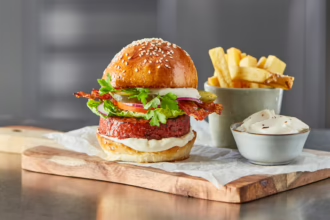
Across the menu, that could mean chilli-maple bacon on a breakfast burger, gochujang caramel on fried chicken, sweet chilli mayonnaise on tacos or a chilli-spiked syrup in cocktails and spritzes.
The strongest ideas usually begin with a familiar format. Rather than asking customers to take a chance on an entirely unfamiliar dish, operators can add sweet heat to something they already order.
One Sauce, Several Uses
Sweet heat also makes operational sense because one well-designed sauce can work across multiple menu items.
A chilli honey glaze might finish fried chicken, roasted vegetables and pizza. A sweet chilli mayonnaise can become a burger spread, taco sauce or dipping accompaniment. A fruit and chilli syrup can move between drinks and desserts.
For kitchens looking for a ready-made starting point, MasterFoods™ Professional Gluten Free Sweet Thai Chilli Sauce can be used in marinades, stir-fries and dipping sauces or as a base for custom sauce creations.
This cross-menu potential allows chefs to test the trend without investing in a long list of specialised ingredients. It can also work well as a limited-time offer before becoming a permanent menu addition.
Balance remains important. Without acidity, salt or savoury depth, sweet heat can quickly become heavy. The type of chilli matters too: fresh chilli provides brightness, dried chilli brings slower warmth and fermented sauces add savoury complexity.
The term “swicy” may eventually fade, but the flavour combination has more staying power. It gives chefs room to explore stronger flavours, refresh established dishes and introduce heat in a way that remains accessible to a broad audience.