
For a bakery known for handmade Portuguese pastries, launching an app may sound like a move away from the craft at the centre of the business. For Sydney’s Tuga Pastries, however, digital ordering is being used to make that physical experience easier to access.
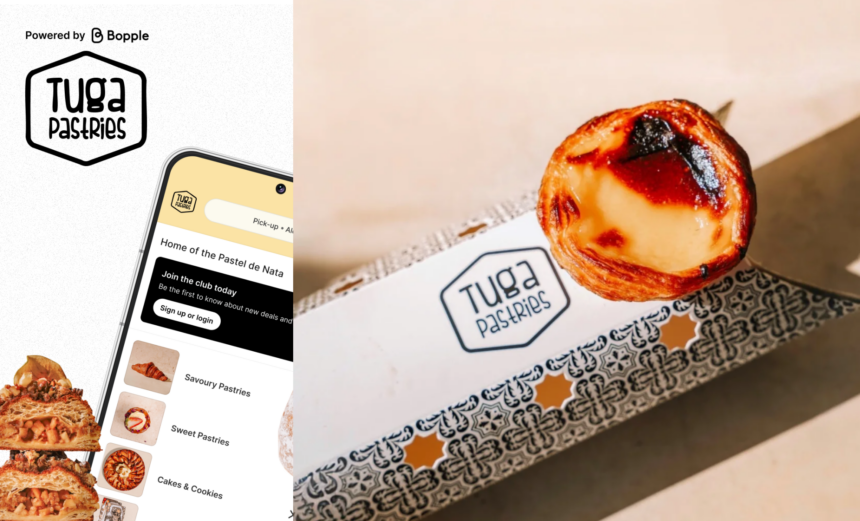
Tuga recently introduced a branded mobile app powered by Bopple. Customers can browse the menu, order and pay ahead, earn rewards and collect from the bakery without joining the usual queue. The business operates bakeries in Clovelly and Alexandria and has built a strong following around products including its pastel de nata, breads, cakes, pies and other pastries.
The launch reflects a wider operational opportunity for high-traffic cafes and bakeries. When much of the morning trade arrives within a short window, the counter can become the constraint. Taking some ordering and payment activity out of that queue may allow staff to focus on production, handover and customers who still want to order in person.
An owned app also gives a venue more control over the customer relationship than a third-party marketplace. A business can create its own loyalty structure, communicate product availability and encourage pre-orders for larger workplace or group purchases. That matters because recent Australian cafe data found online orders had a much higher average value than in-person orders, although this is sector-wide data and should not be treated as a result achieved by Tuga itself.
There are trade-offs. An app only improves service when menus, stock levels, preparation times and collection instructions are kept accurate. Poorly managed digital orders can simply move congestion from the register to the pass. Venues also need to give customers a genuine reason to download another app, whether that is faster collection, relevant rewards or access to products that regularly sell out.
Tuga’s rollout is still new, so the most useful measures will emerge over time: adoption, repeat ordering, average order value, queue reduction and the share of orders placed before peak service. For now, the launch is a strong example of a traditional food business using technology to protect convenience without changing what customers come to buy.