

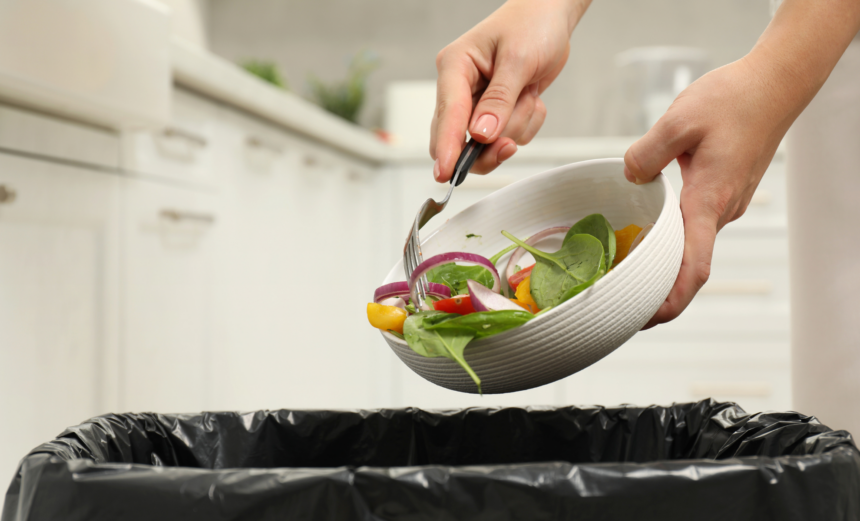
NSW’s commercial food-waste requirements are now in effect for the state’s largest eligible food-handling premises.
Since 1 July 2026, relevant businesses with weekly general waste capacity equal to at least six 660-litre bins or 16 240-litre bins have been required to separate food organics from general waste.
The threshold will extend to smaller premises in stages during 2028 and 2030.
Restaurants, cafés, takeaways, pubs, bars, hotels, caterers, clubs and shared food-service areas can fall within the requirements, depending on their weekly residual waste capacity and any applicable exemptions.
Businesses currently covered must provide enough food-organics bins, ensure the material is transported separately from general waste and arrange collection at least once a week. The full thresholds and exemptions are available from the NSW EPA.
Those requirements may begin with a waste contract, but successful implementation depends on what happens inside the kitchen.
Separation is only the final step
A separate organics bin diverts food from general waste. It does not prevent the business from buying, preparing and discarding that food in the first place.
Operators can gain more commercial value by examining waste before it reaches the collection area.
Food waste should be divided into at least four categories:
- Preparation waste
- Spoiled or expired stock
- Overproduction
- Customer plate waste
Each category points to a different operational problem.
High preparation waste may indicate inconsistent knife skills, unsuitable product specifications or ingredients that are not being fully used. Spoilage can expose weaknesses in ordering, rotation or storage. Overproduction may show that batch sizes and par levels do not reflect demand. Plate waste can raise questions about portions, garnishes or customer expectations.
Weigh what is being discarded
A basic measurement system can begin with scales, labelled containers and a daily record.
Venues should record the type of waste, its weight, the reason it was discarded and the service period in which it occurred. Dividing the total by covers or transactions makes performance easier to compare between busy and quiet days.
Adding an estimated ingredient cost helps turn kilograms into a figure the whole management team can understand.
The goal is not to record everything forever. It is to identify the recurring items and causes that deserve attention.
Follow the food-waste hierarchy
Once waste has been identified, prevention should come first.
Operators can adjust order quantities, delivery frequency, batch sizes, prep methods and menu design to avoid producing the waste. Suitable excess food can then be redirected through resale or donation where food-safety requirements allow.
Some ingredients may have a higher-value use elsewhere. Trimmings can potentially be used in stocks, sauces or other menu items, while safe unsold products may be transformed into a different offer.
Industry figures suggest there can be meaningful commercial value in this approach. End Food Waste Australia reported that businesses participating in the Australian Food Pact generated $12 million in additional revenue during 2025 by finding higher-value uses for unsold food. The result is an industry-program claim and should not be treated as a guaranteed return for individual hospitality venues.
Only food that cannot safely be prevented, redistributed or repurposed should move to organics processing or disposal.
Control contamination
A food-organics service is only effective if the stream remains clean.
Packaging, gloves, cleaning materials and other non-approved items can contaminate bins. Operators should confirm accepted materials with their collection provider, position bins where food waste is generated and use clear signs that reflect the products handled in that section of the kitchen.
Training should include chefs, kitchen hands, cleaners and temporary staff. A short bin check at the end of each shift can identify problems before they become routine.
The new rules make separation a compliance issue for larger NSW venues. Measurement makes it a management tool.
The strongest system will do both: keep unavoidable food waste out of general waste while showing the kitchen how to buy, prepare and serve less of it in the first place.