
Sai oua is a seasoned pork sausage associated with Northern Thailand, particularly Chiang Mai and the surrounding provinces. The word “ua” means “to stuff” in the northern Thai dialect, referring to the pork mixture traditionally packed into a sausage casing.
What distinguishes sai oua is its concentration of herbs and spices. Recipes vary, but commonly include dried chilli, garlic, cumin, lemongrass, coriander root, shallot, lime leaf, galangal and shrimp paste. The result is a grilled sausage with pronounced citrus, spice and herbal notes throughout the meat.
As the MICHELIN Guide’s overview of Thai sausages explains, sai oua is widely sold at markets across Northern Thailand. It is commonly served with sticky rice or included in a khan tok meal alongside regional dishes such as green chilli dip, pork crackling and fermented pork.
It should not be confused with sai krok Isan, the fermented sausage of north-eastern Thailand. Sai krok Isan develops its characteristic sourness from pork, fat and sticky rice, while sai oua is defined more directly by curry paste, fresh aromatics and grilling.
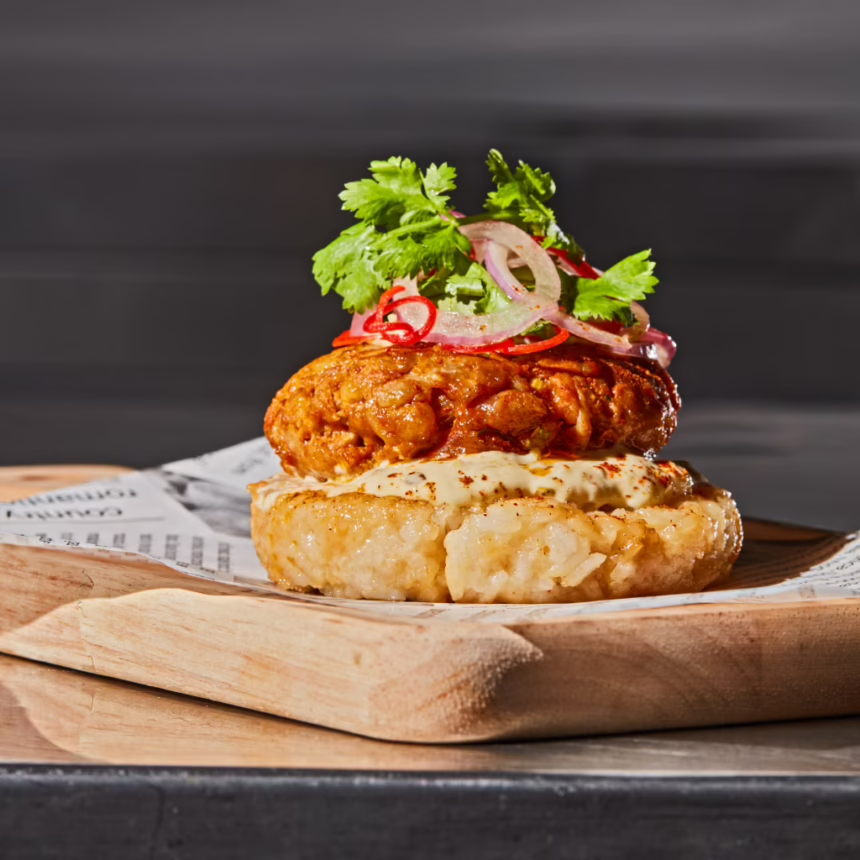
Unilever Food Solutions’ Sai Oua Open Rice Burger translates that seasoning into a format suited to contemporary casual dining. Rather than preparing a cased sausage, the recipe combines pork mince with Knorr Thai Red Curry Paste, lemongrass, lime leaves, turmeric and honey soy sauce before forming the mixture into patties.
The patty is served on a pan-fried jasmine rice base seasoned with sesame oil and soy sauce. A parmesan and lime mayonnaise adds fat, salt and acidity, while sprouts, shallots, coriander and fresh chilli provide a lighter finish.
For chefs, the format retains the main flavour logic of sai oua without attempting to reproduce the traditional sausage exactly. The rice base also maintains a connection to the way the sausage is commonly eaten, while making the dish workable as a plated main, share plate or casual lunch item.
Because the name may be unfamiliar to some customers, menu descriptions should provide context. Calling it a “Northern Thai spiced pork patty” communicates the flavour clearly while retaining the regional name and its culinary origin.